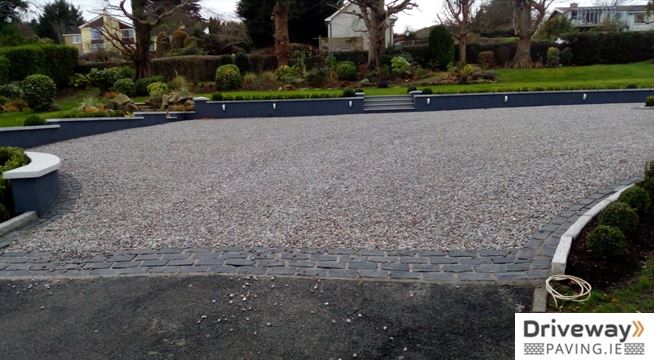
Autumn’s arrival brings a spectacular display of colour to Irish landscapes, but for homeowners with gravel driveways or decorative stone features, the season also presents a persistent maintenance challenge. Fallen leaves may appear innocuous at first, but when left to accumulate on gravel surfaces, they can lead to a host of problems—from unsightly decomposition and staining to drainage issues and weed growth. Whether you’ve invested in a stunning resin-bound driveway with decorative aggregates or maintain traditional gravel pathways, knowing how to efficiently remove leaves without displacing your stone is essential for preserving both aesthetics and functionality.
At Driveway Paving, we understand the unique challenges that gravel and decorative stone surfaces present. Unlike solid paving, these permeable surfaces require specialised techniques to maintain their appearance and performance. This comprehensive guide will walk you through the most effective methods for removing leaves from gravel and decorative stone, ensuring your outdoor spaces remain pristine throughout the autumn and winter months.
Understanding Why Leaf Removal Matters
Before delving into removal techniques, it’s important to understand why prompt leaf clearance is crucial for gravel surfaces. When leaves settle amongst stones, they begin to decompose, creating a layer of organic matter that can stain lighter-coloured aggregates and create an ideal environment for weed seeds to germinate. This decomposing material can also block the natural drainage properties that make gravel driveways so effective at managing water runoff.
Furthermore, wet leaves become compacted between stones, making them progressively more difficult to remove as time passes. In Irish weather conditions, where moisture is abundant, this decomposition process accelerates significantly. The tannins and acids released during breakdown can permanently discolour decorative stones, whilst the moisture retention can lead to moss and algae growth, creating slippery, unsafe surfaces.

Traditional Methods: The Rake Approach
Choosing the Right Rake
The garden rake remains one of the most accessible tools for leaf removal from gravel, but not all rakes are created equal for this purpose. A plastic leaf rake with flexible tines is generally preferable to metal garden rakes, which can disturb and displace gravel stones more readily. The gentle, fan-shaped design of plastic rakes allows you to skim across the gravel surface, catching leaves whilst minimising stone displacement.
For decorative stone with larger aggregates, a slightly stiffer rake may prove more effective, as it can penetrate between stones to extract trapped leaves. However, this requires a delicate touch and a low-angle raking motion to avoid scattering your carefully laid stone.
Proper Raking Technique
When raking gravel, technique matters considerably. Rather than aggressive, deep strokes that penetrate far into the stone layer, use shallow, sweeping motions that gather leaves from the surface. Work in one direction, creating small piles that can be easily collected. This methodical approach prevents the common frustration of simply redistributing leaves across your driveway.
For best results, rake when leaves are relatively dry. Wet leaves clump together and adhere to stones, making separation more difficult. Early afternoon, after morning dew has evaporated but before evening moisture sets in, often provides optimal conditions for effective raking.
Modern Solutions: Leaf Blowers and Vacuums
Selecting an Appropriate Leaf Blower
Leaf blowers have revolutionised garden maintenance, and they’re particularly effective on gravel surfaces when used correctly. For gravel driveways, a variable-speed blower offers the greatest versatility, allowing you to adjust power levels according to conditions and stone size.
Petrol-powered blowers typically provide the strongest performance, making them ideal for large driveways or heavy leaf coverage. However, electric and battery-powered models have improved dramatically in recent years and offer quieter operation with less maintenance—a consideration worth noting in residential areas where noise restrictions may apply.
Mastering the Blowing Technique
The key to successful leaf blowing on gravel lies in restraint. Use the lowest effective power setting to avoid displacing stones along with leaves. Hold the blower nozzle at a slight upward angle, approximately 30-45 degrees from the surface, directing airflow across the top of the gravel rather than directly into it.
Work systematically, moving leaves towards collection points at the edges of your driveway or into strategic piles. In areas where leaves have become wedged between stones, a brief burst at higher power, directed at a sharper angle, can dislodge them—but use this technique sparingly to minimise stone displacement.
The Vacuum Option
Garden vacuum systems, which can often function as both blowers and vacuums, offer an elegant solution for gravel surfaces. The vacuum function collects leaves directly, eliminating the need for subsequent gathering and disposal. Many models include mulching capabilities, reducing leaf volume by up to 90% and providing valuable material for composting.
When using a vacuum on gravel, maintain the nozzle slightly above the surface to avoid ingesting stones. Some homeowners find that vacuuming works best as a secondary step after initial blowing, allowing them to collect concentrated piles without risk of stone damage.

Specialised Equipment for Larger Installations
Tow-Behind Lawn Sweepers
For extensive gravel driveways or commercial installations, tow-behind lawn sweepers attached to ride-on mowers or small tractors can dramatically reduce labour time. These machines use rotating brushes to sweep leaves into a collection hopper, adjusting brush height to skim gravel surfaces without disturbing the aggregate.
Whilst representing a more substantial investment, these systems prove invaluable for properties with significant gravel coverage, completing in minutes what might take hours with manual methods.
Professional-Grade Solutions
Commercial leaf collectors and purpose-built gravel maintenance equipment offer the most efficient solutions for large-scale operations. These machines combine powerful vacuum systems with sophisticated filtration that separates leaves from any accidentally collected stones, returning the aggregate whilst removing organic debris.
For property managers or those maintaining multiple gravel surfaces, consulting with specialists like Driveway Paving about professional-grade solutions or maintenance contracts may prove cost-effective.

Preventative Strategies
Strategic Planting and Landscape Design
Prevention often proves more efficient than cure. When designing or renovating gardens adjacent to gravel areas, consider the placement of deciduous trees and large shrubs. Positioning these away from gravel surfaces, or selecting evergreen varieties, significantly reduces autumn leaf accumulation.
Creating buffer zones with grass or planted borders between trees and gravel areas provides an intermediate collection point where leaves can be more easily gathered before reaching stone surfaces.
Protective Netting Systems
For smaller decorative stone areas or gravel sections beneath problematic trees, temporary netting systems installed before leaf fall can capture debris before it reaches the gravel. Fine mesh netting suspended above the surface catches leaves whilst allowing rain to penetrate, and can be simply lifted away complete with accumulated debris.
This approach works particularly well for ornamental gravel gardens or decorative stone features where aesthetics matter during spring and summer, as netting can be completely removed during those seasons.
Regular Maintenance Schedules
Establishing a regular maintenance routine during autumn prevents the accumulation that makes leaf removal progressively more difficult. A quick weekly sweep or blow requires far less effort than tackling months of compressed, decomposing leaves. This consistent approach also prevents the staining and drainage issues associated with prolonged leaf coverage.
Addressing Stubborn, Compacted Leaves
Despite best efforts, some leaves inevitably become wedged between stones or partially decomposed. For these stubborn cases, a combination approach often works best. Begin with a stiff brush or broom to loosen compacted material, followed by either strong blowing or raking to extract the debris.
In extreme cases, particularly with finer gravels, a light washing with a garden hose can help float organic material to the surface where it becomes easier to remove. However, use this technique judiciously, as excessive water can disturb gravel settling and create temporary muddy conditions.
Environmental Considerations
When removing leaves from gravel, consider the environmental implications of your chosen method. Petrol-powered equipment generates emissions and noise, whilst collected leaves represent valuable organic material that shouldn’t be wasted. Composting removed leaves creates nutrient-rich soil amendment for gardens, closing the natural cycle.
Battery-powered equipment continues to improve in performance whilst offering reduced environmental impact, and manual methods, though more labour-intensive, provide excellent exercise whilst eliminating emissions entirely.
Conclusion
Maintaining gravel driveways and decorative stone features needn’t be an overwhelming autumn chore. By selecting appropriate tools, mastering effective techniques, and implementing preventative strategies, you can keep these surfaces looking pristine with manageable effort. Whether you opt for traditional raking, modern leaf blowing, or specialised equipment, the key lies in regular attention and gentle handling that preserves your stone whilst removing unwanted debris.
At Driveway Paving, we’re committed to helping Irish homeowners maintain the beauty and functionality of their outdoor surfaces throughout every season. By investing a modest amount of time in proper leaf removal, you protect your investment in quality surfacing materials and ensure your gravel driveway or decorative stone features continue to enhance your property’s kerb appeal for years to come. Should you require advice on maintaining your existing surfaces or wish to explore new driveway solutions, our experienced team remains ready to assist with expert guidance tailored to Irish conditions and requirements.